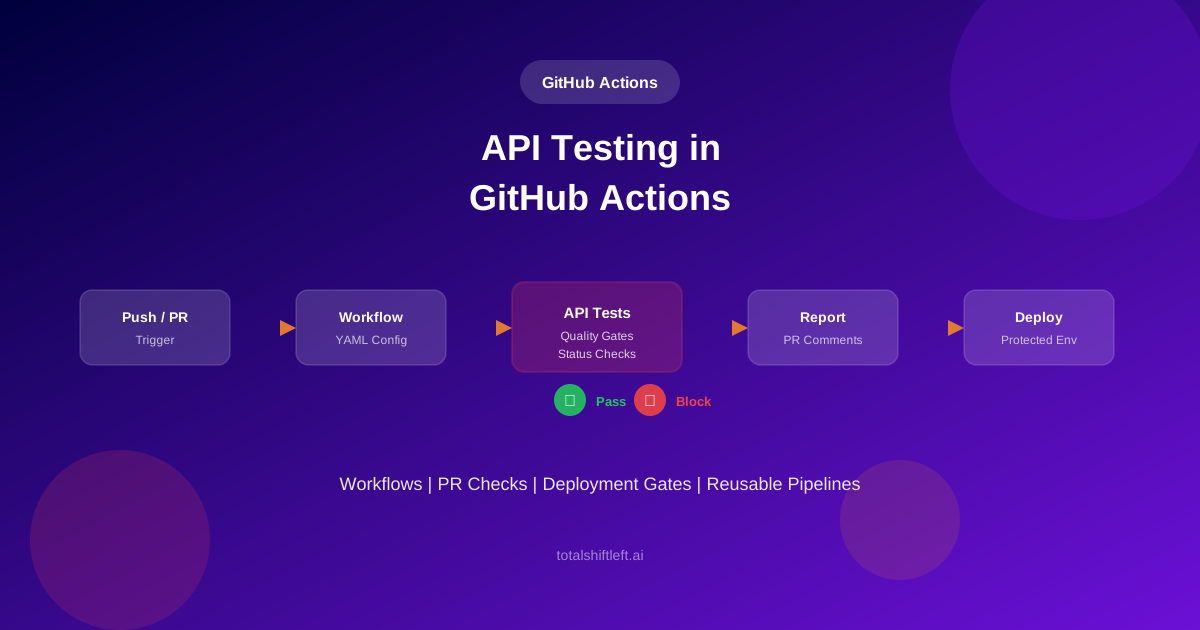
API Testing in GitHub Actions: Complete Workflow Guide (2026)
Automate API testing in GitHub Actions with reusable workflows, quality gates, and PR status checks. Step-by-step guide from workflow YAML to production deployment gates.
6 articles
Automate API testing in GitHub Actions with reusable workflows, quality gates, and PR status checks. Step-by-step guide from workflow YAML to production deployment gates.
Configure automated API testing in Azure DevOps pipelines with quality gates, JUnit reporting, and coverage tracking. Step-by-step guide from YAML pipeline setup to deployment gates.
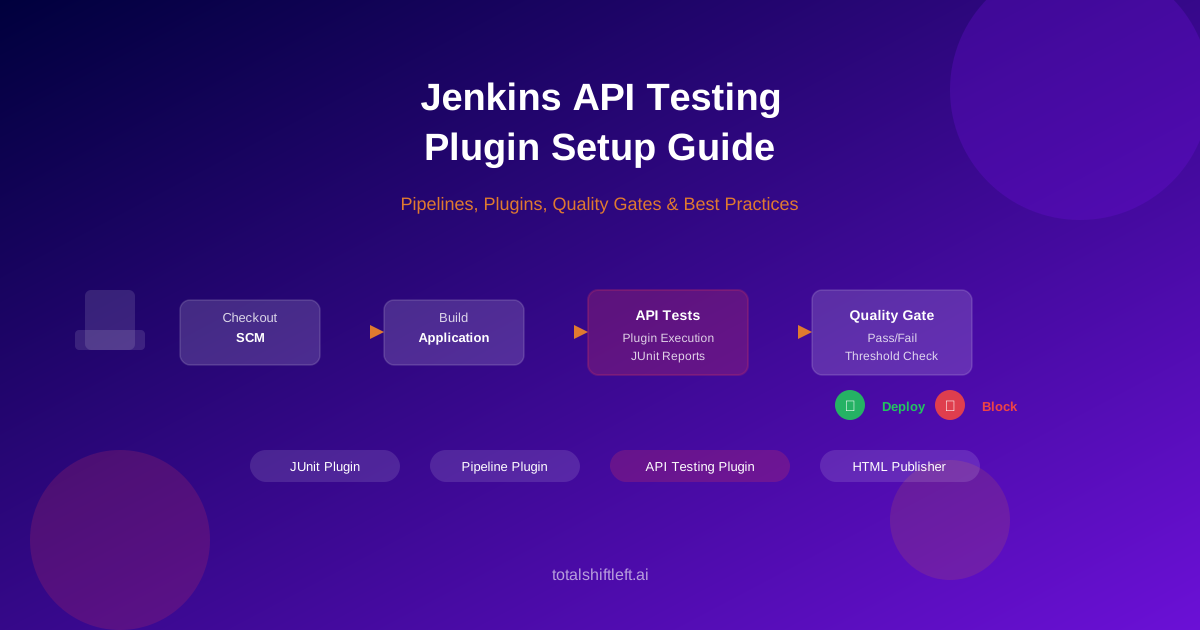
Set up automated API testing in Jenkins pipelines with plugins, Jenkinsfile configuration, and quality gates. Complete guide from plugin installation to production-ready API quality enforcement.
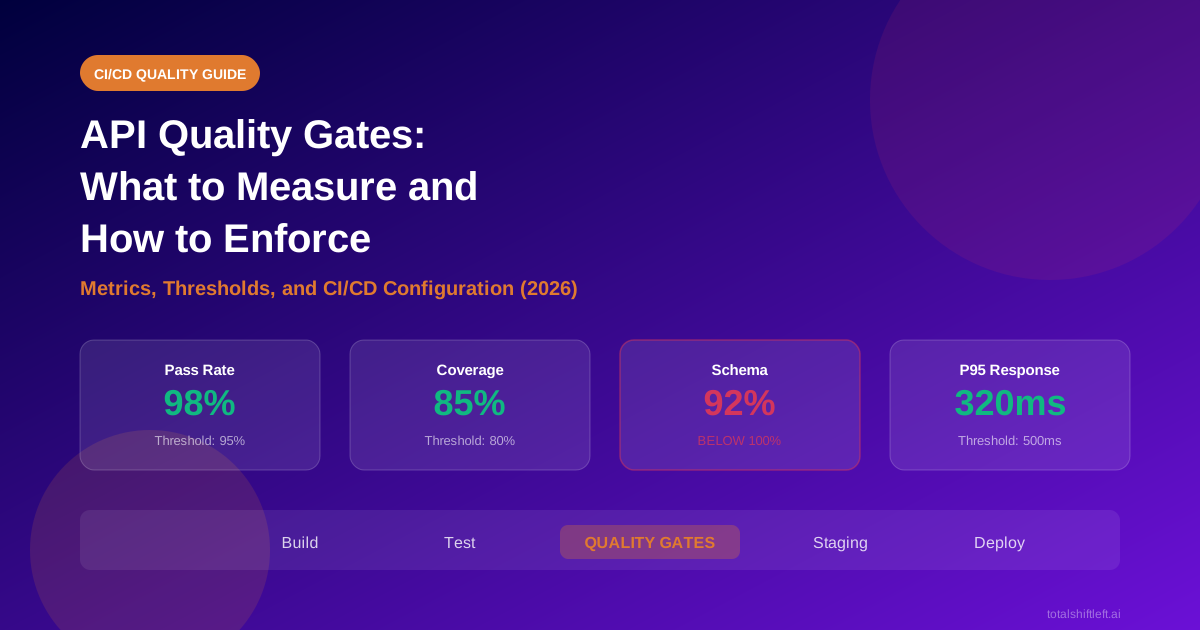
API quality gates are automated checkpoints in a CI/CD pipeline that evaluate test results -- pass rate, endpoint coverage, schema compliance, and response time -- against predefined thresholds. If results fall below the threshold, the pipeline blocks the deployment, preventing broken APIs from reaching production.
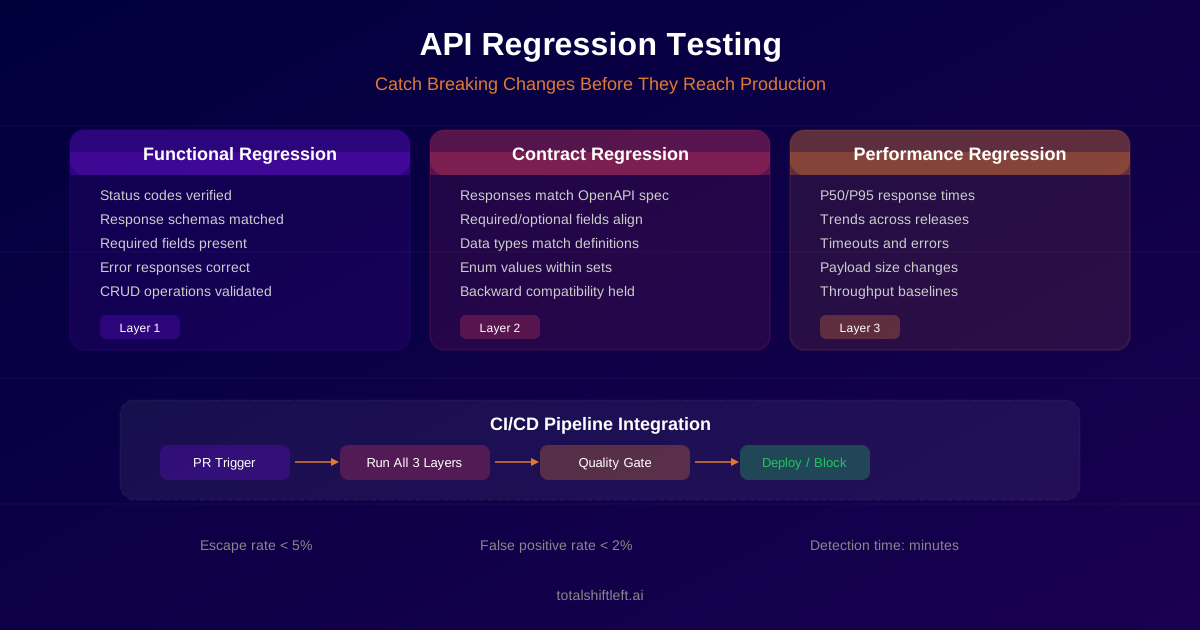
API regression testing is the practice of re-running existing API tests after every code change to verify that previously working functionality still works correctly. It catches unintended side effects -- a fix in one endpoint breaking another, a schema change invalidating consumers, or a performance degradation introduced by new code -- before those regressions reach production.
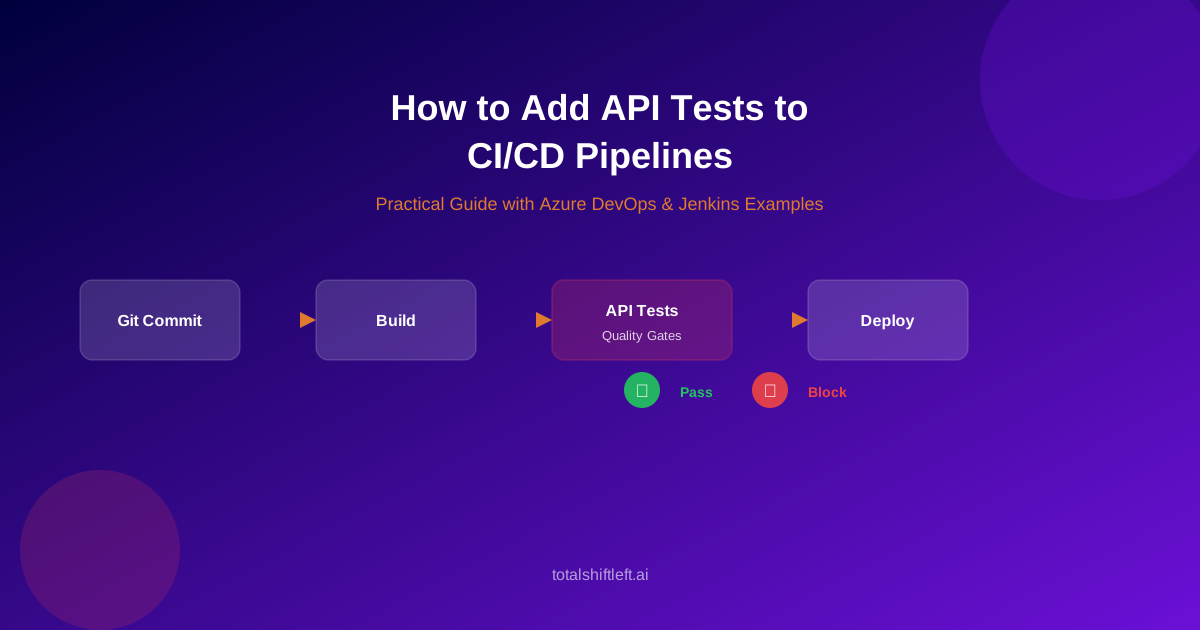
Adding API tests to a CI/CD pipeline means configuring automated test execution, JUnit reporting, and quality gates inside your build workflow so that every code change is validated against your API contracts before deployment. This guide covers tool selection, pipeline configuration for Azure DevOps and Jenkins, quality gate thresholds, and tiered testing strategies.